

Stakeholders and Project Partners
This initiative is supported by a diverse coalition of partners who bring expertise, resources, and local insight to guide the planning and implementation of CRIPs.
Executive Advisory Group
The Executive Advisory Group includes approximately 12 leaders from government agencies, higher education institutions, and other organizations with expertise in coastal resilience. They provide strategic guidance and help identify opportunities for successful project implementation across the CRIP project area.
Participating organizations in the Executive Advisory Group include Audubon South Carolina; the South Atlantic Salt Marsh Initiative (SASMI); the Gullah Geechee Cultural Heritage Corridor Commission; the South Carolina Office of Resilience (SCOR); the South Carolina Department of Environmental Services – Bureau of Coastal Management (SCDES); South Carolina Parks, Recreation and Tourism; the U.S. Army Corps of Engineers (USACE); South Carolina Beach Advocates; the South Carolina Native American Affairs Division; the South Carolina State Historic Preservation Office (SHPO); The Pew Charitable Trusts; the South Carolina Department of Natural Resources – Marine Resources Division (SCDNR); the South Carolina Aquarium; The Nature Conservancy – South Carolina Chapter; and Sustain SC.
Regional Advisory Groups
The North, Central, and South Coast Regional Advisory Groups consist of members representing diverse backgrounds including academics, biologists, historians, cultural resource experts, local government staff, conservation organizations, and government agencies. Regional groups guide the project as it relates to site understanding, prioritizing resilience strategies, and help identifying effective and equitable outreach strategies.
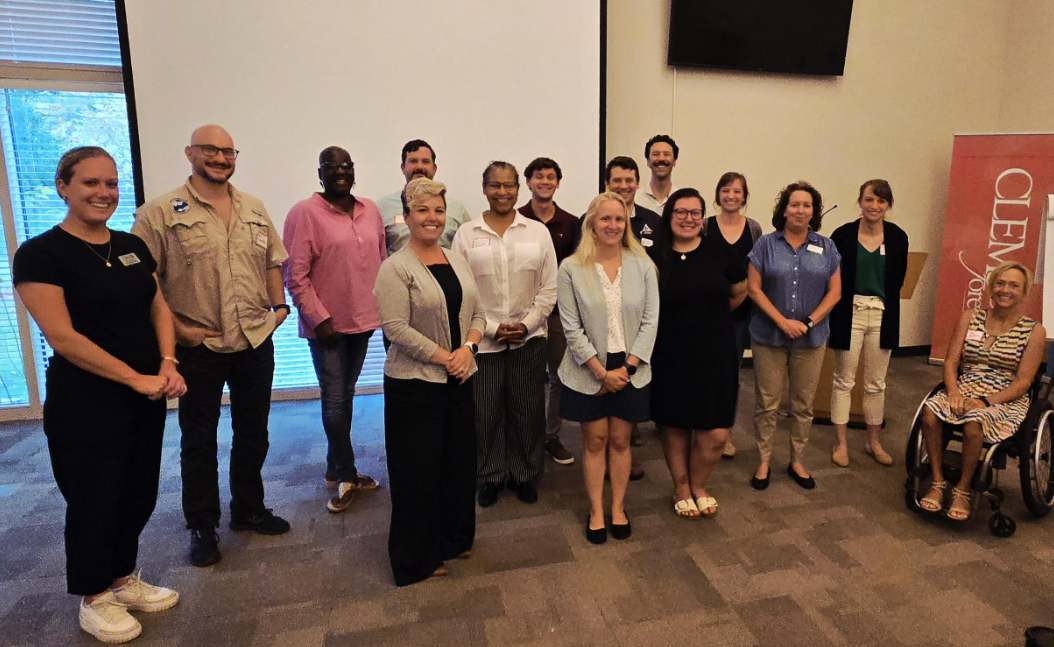
North Coast Regional Advisory Group
Includes: Coastal Carolina University, Waccamaw National Wildlife Refuge, the Baruch Institute for Coastal Ecology, the North Inlet-Winyah Bay National Estuarine Research Reserve (NIWB NERR), University of South Carolina, Coastal Conservation League, Winyah Rivers Alliance, the Center for Heirs' Property Preservation, Georgetown Rice Museum, Waccamaw Indian People, Waccamaw Regional Council of Governments (COG), Horry County Government, Georgetown County Government, the Gullah Geechee Chamber of Commerce, and the South Carolina Environmental Law Project (SCELP).
Central Coast Regional Advisory Group
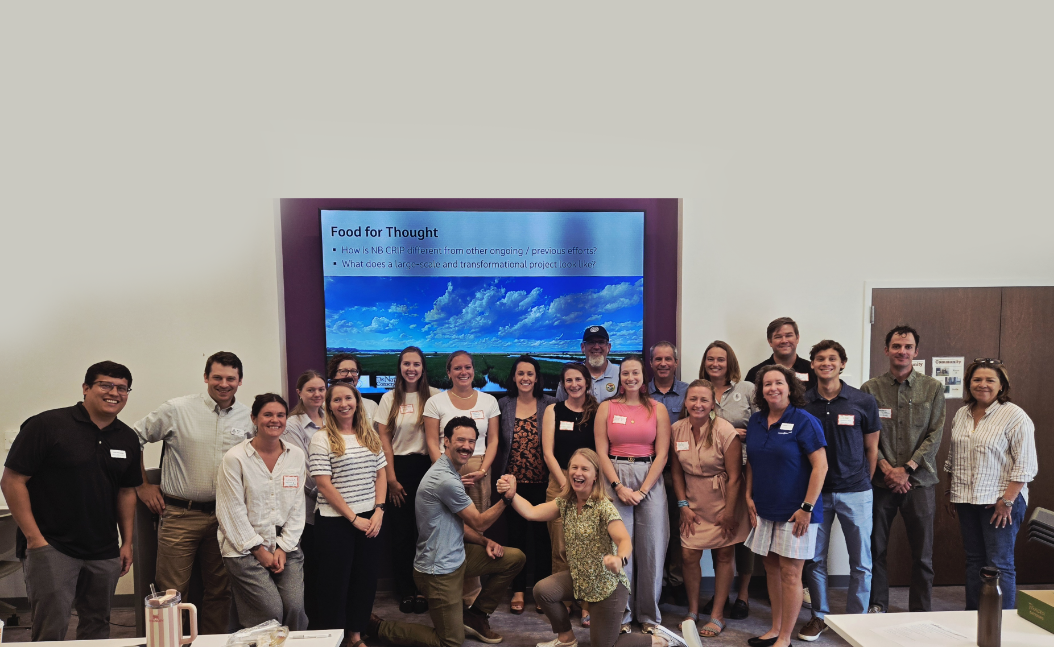
Includes: College of Charleston, The Citadel, the Joseph P. Riley Center for Livable Communities, Clemson University, Waterkeeper Alliance, Charleston Hispanic Association, Preservation Society of Charleston, Charleston Area Justice Ministries (CAJM), the Berkeley-Charleston-Dorchester Council of Governments (BCD COG) and the Town of McClellanville, Charleston County Government, City of Charleston, Town of Sullivan’s Island, the South Carolina Department of Natural Resources Marine Resources Division (SCDNR), South Carolina Sea Grant Consortium (SC SeaGrant), Charleston County Parks and Recreation Commission (CCPRC), Kiawah Conservancy, Edisto Land Trust, Francis Marion National Forest, Audubon South Carolina, and the South Carolina Department of Natural Resources (SCDNR).
South Coast Regional Advisory Group
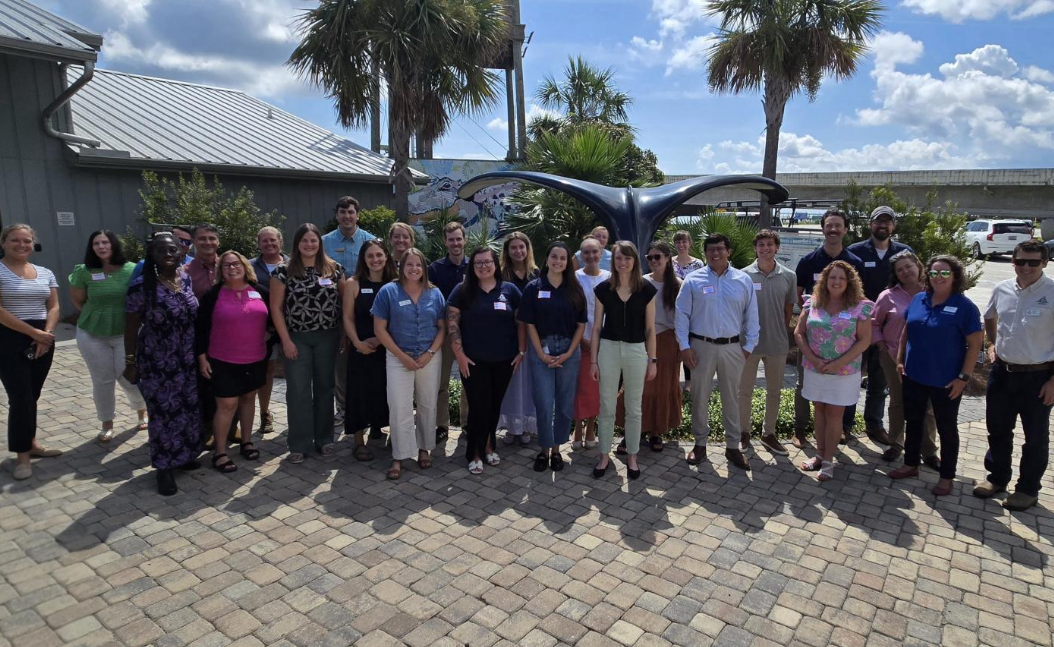
Includes: University of South Carolina Beaufort (USC Beaufort), the ACE Basin National Estuarine Research Reserve (NERR), Port Royal Sound Foundation, Penn Center, Coastal Conservation League, the Lowcountry Council of Governments (COG), Colleton County, Jasper County, the Town of Bluffton, Beaufort County Engineering Department, Bureau of Coastal Management in Beaufort, South Carolina Sea Grant Consortium, Nemours Foundation, Sentinel Landscape Partnership, the Gullah/Geechee Nation/Sea Island Coalition, Beaufort County Environmental Planning, and Land Preservation for Beaufort County.

This project was made possible by NOAA, led by The Nature Conservancy in South Carolina, and supported by the South Carolina Office of Resilience, Jacobs, and Weston & Sampson to form the “Project Team”